The AGM battery stands as a remarkable achievement in electrochemical engineering, representing the culmination of decades of refinement in automotive power storage technology. Like the intricate systems found in nature where form perfectly serves function, this battery design reflects an elegant solution to the complex demands of modern vehicles, particularly those operating in Singapore’s unique urban ecosystem.
The Architecture of Advanced Power Storage
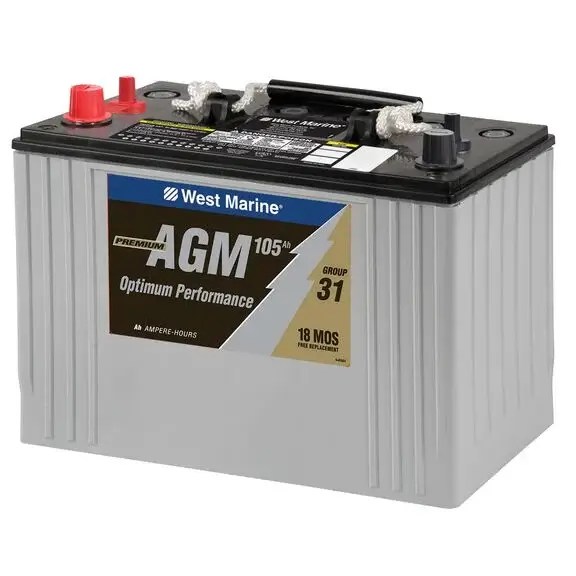
Absorbent Glass Mat technology reveals itself as a masterwork of practical design. Within the agm battery, thin fibreglass mats hold the electrolyte in a suspended state, absorbed within their microscopic structure rather than flowing freely as in conventional flooded batteries. This fundamental architectural difference creates a cascade of performance advantages.
The glass mat separator performs multiple critical functions simultaneously. It maintains precise spacing between the positive and negative plates, prevents short circuits, and holds the electrolyte in intimate contact with the active materials. This suspended electrolyte state eliminates stratification, that troublesome phenomenon where acid concentration varies at different heights within conventional batteries, leading to uneven performance and premature failure.
The Ecosystem of Modern Vehicle Demands
Singapore’s automotive environment creates a demanding habitat for battery systems. Modern vehicles function as mobile power stations, supporting an ever-expanding array of electrical systems that compete for limited energy resources. The AGM battery evolved specifically to thrive in this challenging ecosystem.
Consider the electrical demands present in contemporary vehicles. Navigation systems maintain constant vigilance, climate control systems labour against tropical heat, advanced safety features monitor surroundings continuously, and entertainment systems provide connectivity. Each represents a draw on the battery’s reserves, creating what engineers term parasitic loads. The agm battery addresses these demands through several evolutionary advantages:
- Exceptional deep cycle capability allowing repeated discharge to 80 percent depth without degradation
- Superior charge acceptance that recovers power rapidly during brief driving intervals
- Minimal self-discharge rate preserving charge during periods of vehicle inactivity
- Vibration resistance protecting internal structures from mechanical stress
- Spill-proof sealed construction eliminating maintenance requirements
Start-Stop Technology and Power Cycling
The relationship between the agm battery and start-stop systems mirrors the elegant interdependence observed in biological partnerships. Start-stop technology requires batteries capable of enduring thousands of additional engine starts annually, each demanding substantial current delivery. Traditional batteries falter under such relentless cycling, yet the AGM battery performs this task with remarkable resilience.
Singapore’s traffic patterns intensify these demands. “The average vehicle in Singapore experiences significantly more stop-start cycles than vehicles in less congested environments,” observes technical analysis of local driving conditions. “AGM technology provides the cycling durability essential for reliable operation in this context.” The battery’s construction allows it to withstand three times as many charge cycles as enhanced flooded batteries, maintaining performance across extended service intervals.
Thermal Adaptation in Tropical Environments
Temperature profoundly influences electrochemical reactions within batteries. Singapore’s consistently elevated ambient temperatures accelerate these reactions, creating both opportunities and challenges for battery performance. The AGM battery demonstrates remarkable thermal adaptation.
The sealed valve-regulated design minimises water loss through evaporation, a critical advantage in warm climates where conventional batteries require regular electrolyte level maintenance. The suspended electrolyte configuration enhances heat dissipation throughout the battery’s internal structure, preventing the hot spots that accelerate degradation. These characteristics extend service life significantly in tropical conditions.
Applications Beyond Standard Transportation
The versatility of the agm battery extends beyond conventional automotive applications. Vehicles equipped with extensive auxiliary systems, luxury cars with numerous comfort features, and automobiles with advanced safety technologies all benefit from this superior power source. The battery proves equally valuable in marine applications, recreational vehicles, and backup power systems where reliability proves paramount.
Vehicles operating in commercial contexts, where downtime creates economic consequences, particularly benefit from the agm battery’s dependable performance. Delivery vehicles navigating Singapore’s streets with frequent stops, taxis operating continuous shifts with substantial electrical loads, and service vehicles requiring power for auxiliary equipment all represent ideal applications for this technology.
The Chemistry of Recombination
Within the sealed environment of the AGM battery, an elegant chemical cycle operates continuously. During charging, oxygen generated at the positive plate migrates through the porous glass mat to the negative plate, where it recombines with hydrogen to form water. This oxygen recombination cycle, occurring naturally within the battery’s sealed structure, eliminates the water loss that plagues conventional batteries.
This self-regulating system exemplifies efficient design principles. The valve regulation system maintains slight internal pressure, optimising the recombination process while protecting against excessive pressure buildup. The result approaches a closed system, requiring no water additions throughout the battery’s service life.
Installation and Orientation Flexibility
The sealed, spill-proof nature of the AGM battery permits installation flexibility impossible with conventional batteries. While optimal performance occurs in upright orientation, the battery tolerates side mounting in space-constrained applications. This versatility proves valuable in modern vehicle designs where packaging constraints challenge traditional mounting arrangements.
Economic Considerations and Value Proposition
The initial investment required for an agm battery exceeds that of conventional alternatives by a substantial margin. However, examining total cost of ownership reveals a different perspective. Extended service life, elimination of maintenance requirements, superior reliability, and consistent performance across demanding applications combine to justify the premium. In Singapore’s context, where vehicle dependability carries particular importance given high vehicle costs and limited space for multiple vehicles per household, this reliability premium holds significant value.
The Convergence of Technology and Necessity
As automotive technology continues evolving toward greater electrical complexity, the role of advanced battery systems becomes increasingly critical. The agm battery represents not merely an incremental improvement but a fundamental advancement in power storage capability, perfectly adapted to meet the sophisticated demands of modern vehicles operating in challenging environments like Singapore’s urban landscape.
 Auto Mall Car
Leave a comment